Small Home Upgrades That Save Time Every Day
The best home upgrades that save time are rarely the most futuristic. They remove a small, repeated annoyance: searching for keys, carrying cleaning products upstairs, untangling chargers or sorting a mixed mountain of laundry.
One saved minute is not impressive in isolation. But remove the same friction every morning and the benefit compounds. Before buying a gadget, look for a step you repeat several times a week and ask whether a better location, hook, duplicate or automated tool could remove it.
How to recognise a genuinely time-saving upgrade
A useful upgrade does at least one of four things: puts an item where it is used, makes the next action obvious, runs a repetitive task automatically or prevents a mess from developing. If it requires frequent charging, refilling, app maintenance or specialist cleaning, include that work in the calculation.
Start with your most repeated irritation, not a generic list. Notice where objects pile up, where you walk back and forth and which five-minute task is constantly postponed.
1. Build an entryway landing zone
Create a fixed home for keys, bags, shoes, umbrellas and outgoing parcels close to the door you actually use. It can be as simple as sturdy hooks, a small tray and one basket. Give each person a clear place rather than one shared heap.
Keep it narrow. The landing zone should capture active items, not become permanent storage. A weekly reset prevents old post, reusable bags and out-of-season coats from swallowing it.
2. Put charging where devices naturally land
A compact multi-port charger in the kitchen, hallway or bedside area can replace the daily search for plugs. Choose a reputable charger with the correct power output for your devices, and route cables so they do not trail across water, heat or walkways.
Label similar-looking cables and keep one travel cable permanently in a bag if you use it often. This is one of the rare strategic duplicates that can genuinely remove packing friction.
3. Sort laundry at the point of use
A divided hamper turns sorting from a separate job into something that happens as clothes are discarded. Choose categories that match how you wash—perhaps lights, darks and towels—rather than adopting someone else’s perfect system.
Place the hamper where clothes actually come off. If socks still appear beside the bed, the “right” location may not be the laundry room. A small bag for delicates or stray socks can stop them disappearing into the main load.
4. Keep cleaning supplies where the mess happens
A small bathroom kit and a second basic kit near the kitchen or main living area can save repeated trips. Each only needs the products safe and suitable for those surfaces, a few cloths and gloves if used. Store everything securely away from children and pets, and never decant cleaning chemicals into food or drink containers.
Convenience makes a two-minute wipe more likely to happen before grime becomes a longer job. Avoid excessive duplicates: specialist products used monthly can stay in one central place.
5. Consider a robot vacuum—but only if the floor suits one
A robot vacuum can reduce routine floor maintenance in homes with open layouts and relatively clear floors. It is less transformative where there are thick rugs, high thresholds, cables, pet accidents or lots of objects that must be moved before every run.
The useful question is not whether the machine cleans as thoroughly as you do. It is whether frequent automated passes reduce how often you need to do the full job. Check replacement parts, brush cleaning, mapping controls and where the dock can live before buying.
6. Use smart plugs for truly repetitive routines
Smart plugs can schedule lamps, a non-smart fan or another compatible device. They are useful when the action happens at the same time every day or when remote shut-off prevents a return trip downstairs.
Check the plug’s electrical rating and the connected appliance’s instructions. Do not use a smart plug to bypass safety guidance, and be cautious with heaters, heated bedding and high-load appliances. A simple timer plug may be cheaper and more reliable when remote control is unnecessary.
7. Make pantry staples visible
The goal is not to decant every packet. It is to see what you own and reach it without emptying a shelf. A shallow turntable for bottles, a stepped shelf for tins or one labelled basket per category may be enough.
Transparent containers help only when you refill them consistently and retain cooking or allergen information. For many foods, keeping the original packaging and using open bins is quicker. Put frequently used items between waist and eye level, and create one “use first” area for food nearing its date.
8. Add hooks at the point of repeated dropping
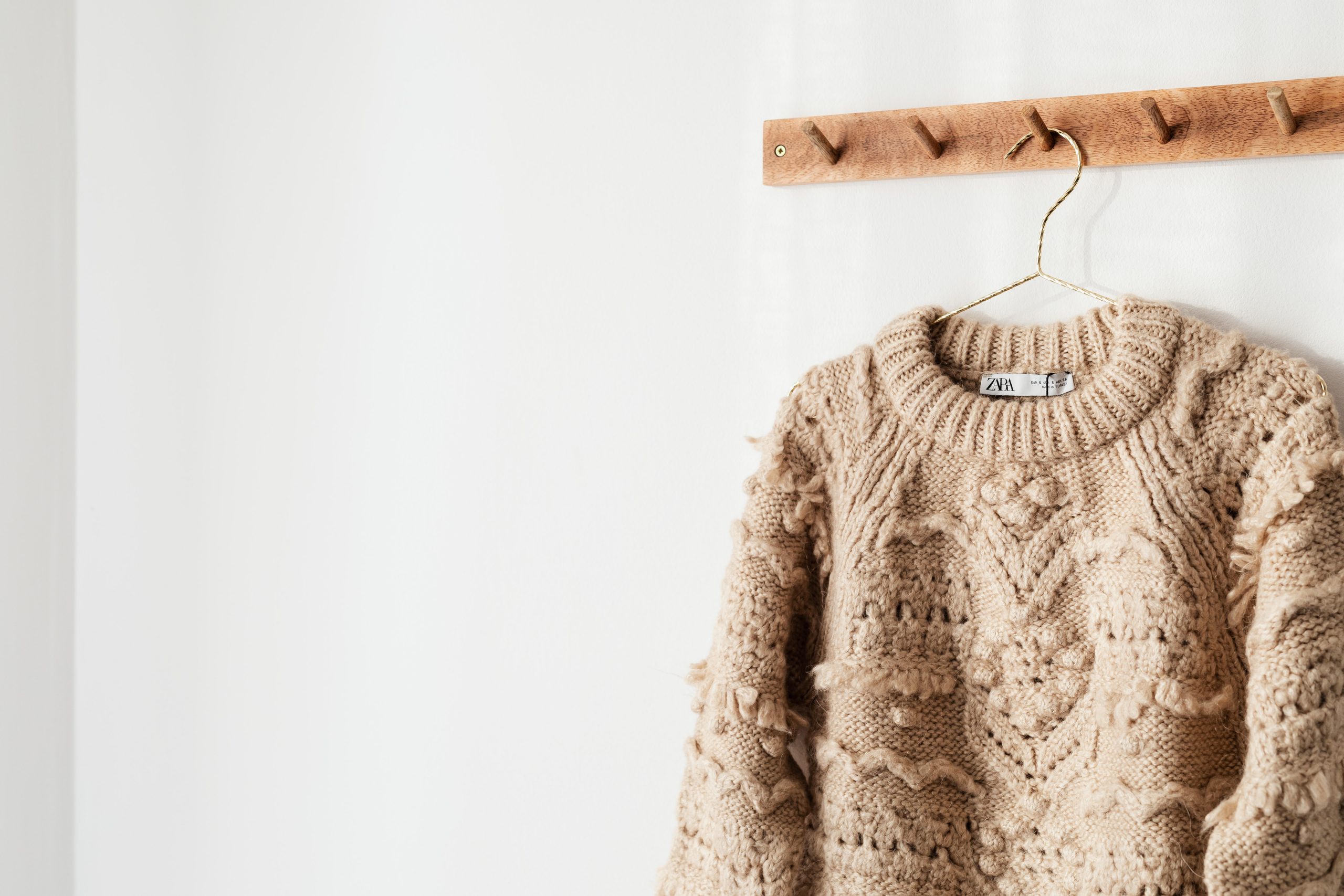
If a dressing gown, dog lead, reusable bag or pair of headphones is always left in the same place, that place is asking for a hook. Install one there rather than trying to train the object into a distant cupboard.
Use fixings appropriate for the wall and the expected load. Over-door and removable options can work for renters, but observe weight limits and humidity guidance.

9. Give small valuables a visible home
A shallow tray near the place you remove jewellery or a divided insert inside a drawer prevents tangles and morning searches. The best system reflects what you wear, not the size of the collection.
For a more detailed setup, our guide to organising everyday jewellery covers trays, hooks, travel storage and the pieces that should be kept apart.
10. Keep a few strategic duplicates
Duplicates earn their space when the cost is modest, the item is used frequently in two places and carrying it back and forth creates friction. Examples include phone chargers, glasses-cleaning cloths, basic scissors, a water carafe or a small set of cleaning cloths.
They do not earn their space when you forget they exist, they expire before use or they create maintenance in several rooms. Duplicate the tool, not the entire category.
Choose the first upgrade with a friction audit
For three days, make a note each time you search, retrace your steps, wait for a task or move something before using a surface. At the end, circle the problems that happened more than once. Solve the most frequent one with the smallest change available.
That might mean moving the hamper rather than buying a new one, adding a hook before installing a cupboard or keeping a cloth beneath the bathroom sink instead of ordering a cleaning machine.
Protect the time you save
Time-saving systems only matter if the recovered time does not automatically fill with more chores. Give household tasks a stopping point and decide what the spare time is for. Our guide to making the weekend feel longer offers a useful framework for keeping maintenance from expanding across both days.
The bottom line
A worthwhile home upgrade reduces a repeated action without creating an equal amount of upkeep. Start with location and simple storage, then consider automation. Hooks, landing zones and well-placed supplies are not glamorous, but they often save more real time than a complicated connected gadget.
Frequently asked questions
It depends on your biggest recurring task. For some homes it is a robot vacuum; for others it is a divided laundry hamper, dishwasher routine or well-designed entryway. Track repeated friction before spending.
They can be when they automate a stable, repetitive routine. They are less useful when setup, charging, connectivity problems or app management create more work than the action they replace.
Hooks, trays, labels, relocating a hamper and keeping frequently used supplies at the point of use can all make a difference for relatively little money.
Buy only after measuring and defining the category. Give each container a limit, review it regularly and avoid using storage to postpone decisions about items you do not need.