

CurrentBody Series 3 vs Omnilux Contour
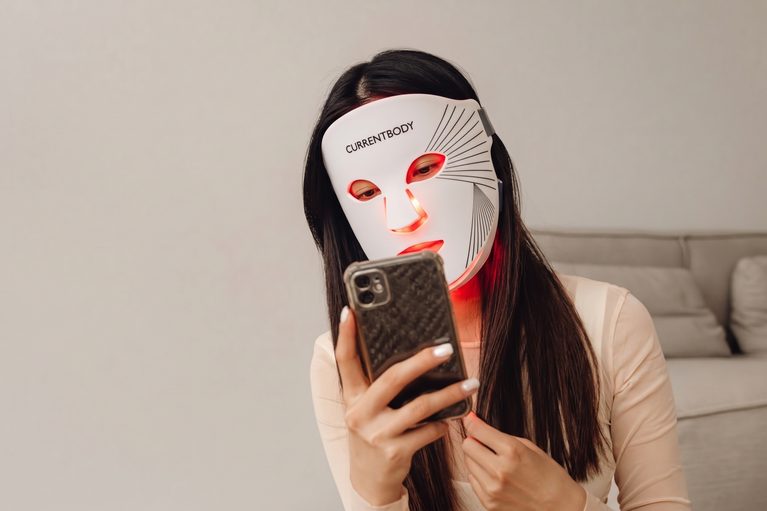
If you are deciding between the CurrentBody Series 3 and the Omnilux Contour, the most important difference is not simply the number of LEDs. It is what you want the mask to treat.
The Omnilux Contour is a focused red and near-infrared mask designed primarily for fine lines, firmness and general skin rejuvenation. The new CurrentBody Series 3 is a more versatile device, with six wavelengths and personalised treatments for concerns including breakouts, pigmentation and redness as well as signs of ageing.
That extra flexibility comes at a noticeably higher price. So, is the CurrentBody Series 3 worth paying more for, or does the simpler Omnilux still make more sense?
The short answer
Choose the CurrentBody Series 3 if you want one advanced mask for several changing concerns, particularly if spots, uneven pigmentation or redness matter as much as fine lines.
Choose the Omnilux Contour if your priority is anti-ageing and you want a simpler, well-established red-light routine without an app or a long list of modes.
For most people concerned mainly with fine lines and overall skin quality, the Omnilux is the more considered purchase. The CurrentBody Series 3 earns its premium when you will genuinely use its additional wavelengths and custom settings.
CurrentBody Series 3 vs Omnilux at a glance
| Feature | CurrentBody Series 3 | Omnilux Contour |
|---|---|---|
| Best for | Multiple concerns and personalised routines | Fine lines, firmness and skin rejuvenation |
| Wavelengths | 415, 532, 590, 633, 830 and 1072nm | 633 and 830nm |
| LEDs | 750 | 132 LEDs across 66 dual-chip bulbs |
| Treatment time | 10 minutes | 10 minutes |
| Controls | Four presets plus app-based customisation | One straightforward treatment |
| Listed price at time of writing | £499.99 | $395; around £348 from a UK retailer |
Prices and availability change, so check the current listings before buying.
What is different about the CurrentBody Series 3?
The CurrentBody Series 3 is not merely a red-light mask with a few extra bulbs. It uses six wavelengths:
- Red light at 633nm
- Near-infrared at 830nm
- Deep near-infrared at 1072nm
- Blue light at 415nm
- Green light at 532nm
- Yellow light at 590nm
Those wavelengths let it address a broader set of cosmetic concerns. CurrentBody positions red and infrared light for firmness and visible signs of ageing, blue for spots, green for pigmentation and yellow for redness.
There are four preset treatments—Advanced Anti-Ageing, Advanced Clearing, Complexion Corrector and Balance & Brighten—and the MyDose app can build a more personalised session.
This is the obvious advantage of the Series 3. Skin does not always have one concern. You may want an anti-ageing routine most weeks but something more targeted when breakouts or redness flare up. CurrentBody is designed for that kind of flexibility.
The drawback is that you are paying for technology you need to actively use. If you know you will choose the same red-light setting every time, much of the Series 3’s appeal becomes unnecessary.

What does the Omnilux Contour do?
The Omnilux Contour Face keeps things much simpler. Its 132 LEDs deliver red light at 633nm and near-infrared light at 830nm.
These are also two of the core wavelengths used by the CurrentBody mask. The difference is that Omnilux stays entirely focused on them.
Omnilux recommends a 10-minute session three to five times a week for four to six weeks, followed by maintenance treatments. There is no app to pair, treatment menu to learn or decision to make before each use. You secure the mask, switch it on and complete the session.
That simplicity is not a lack of quality. Omnilux uses technology developed from professional LED systems and the Contour is FDA-cleared for treating full-face wrinkles. It is simply a more specialised product.

Which is better for fine lines and wrinkles?
Both masks use 633nm red light and 830nm near-infrared light, so both are relevant if your main goal is improving the appearance of fine lines, firmness and overall skin quality.
The CurrentBody Series 3 adds 1072nm deep near-infrared light and a dedicated anti-ageing preset. On paper, that makes it the more advanced mask. It also covers a wider range of concerns if ageing is only one part of what you want to address.
However, more modes do not automatically make a device more suitable. Consistency matters far more than owning features you rarely use. The Omnilux’s focused treatment may be easier to stick with because there is nothing to configure and no temptation to keep changing the routine.
Winner for the most advanced anti-ageing specification: CurrentBody Series 3.
Winner for a focused and uncomplicated anti-ageing routine: Omnilux Contour.
Which is better for spots and breakouts?
The CurrentBody Series 3 is the clear choice between these two if blemishes are a significant concern. Its 415nm blue light is included specifically for spots, and its Advanced Clearing preset combines wavelengths into a targeted treatment.
The Omnilux Contour does not use blue light. Omnilux sells a separate device, Omnilux Clear, for acne-focused treatment, so do not buy the Contour expecting it to do the same job.
Blue-light devices are not appropriate for every person or every routine. Check the manufacturer’s contraindications carefully, particularly if you use medication or skincare that increases light sensitivity.
Which is better for pigmentation and redness?
Again, the CurrentBody Series 3 offers more relevant options. Its green and yellow wavelengths are intended to target the appearance of pigmentation and redness, while its presets make it easier to combine them with red and infrared light.
The Omnilux may help skin look healthier and more even overall, but it does not offer dedicated green or yellow light treatments. If uneven tone or visible redness is the reason you are investing in a mask, CurrentBody is the more logical of the two.
What if skin texture is your main concern?
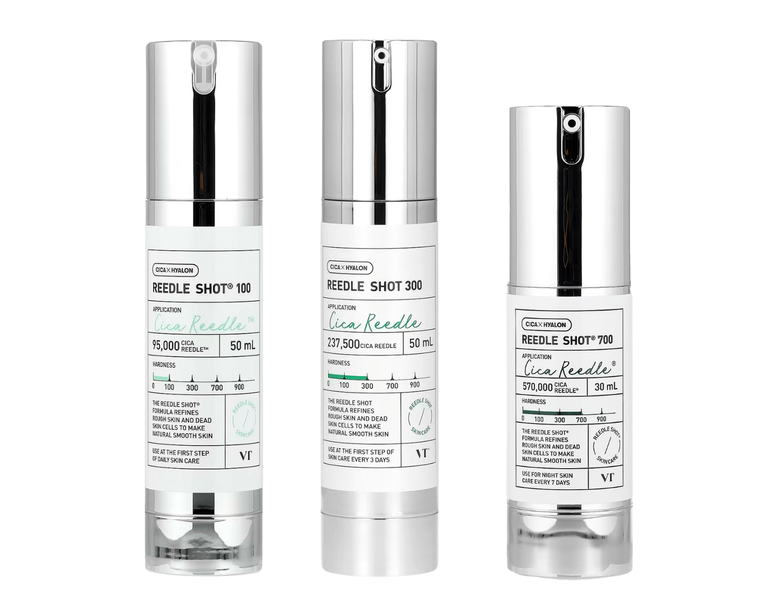
LED masks are designed for gradual, consistent use, but they are not exfoliating or resurfacing treatments. If uneven texture, visible pores or post-blemish marks are your main concerns, you may prefer to combine LED with a more texture-focused product. Our guide to VT Reedle Shot 100 vs 300 vs 700 explains the differences between each strength and which one may suit your routine.
Comfort, fit and ease of use
Both devices use flexible silicone rather than a rigid shell, allowing the mask to sit closer to the contours of the face.
CurrentBody has added a chin strap to improve coverage and stability. Its design is likely to appeal if you want a mask that feels more fitted, though comfort will always depend on face shape.
Omnilux uses Velcro head straps and comes with a rechargeable controller and carry bag. Its biggest ease-of-use advantage is the routine itself: one button, one treatment and no app.
If you dislike companion apps or know that extra settings will make a habit feel like work, the Omnilux is likely to be the more pleasant device to live with. If you enjoy tracking and tailoring beauty technology, CurrentBody gives you far more control.
Is the CurrentBody Series 3 worth the extra money?
At the prices available when this comparison was written, the CurrentBody Series 3 cost £499.99. Omnilux listed the Contour at $395, while a UK retailer listed it at around £348.
The Series 3 therefore needs to justify a substantial premium. It does so with six wavelengths, 750 LEDs, four presets, app control and the ability to target more than ageing alone.
It is worth paying more if:
- Your skin concerns change throughout the month
- You want blue light for breakouts
- Pigmentation or redness is a priority
- You enjoy personalising devices through an app
- You would otherwise consider buying more than one specialised mask
The Omnilux is better value if:
- Fine lines and general skin rejuvenation are your main concerns
- You want a proven red and near-infrared routine
- You prefer a device with almost no learning curve
- You are unlikely to use multiple colours or custom programmes
How often do you need to use either mask?
Whichever mask you choose, consistency matters more than trying to use it as often as possible. Omnilux recommends three to five 10-minute sessions per week for an initial four-to-six-week period, while CurrentBody’s schedule can vary according to the device and selected programme. Our guide to how often you should use an LED face mask explains how to build your initial routine, when to reduce your sessions and why using a mask more frequently does not necessarily produce faster results.
Which one should you buy?
Buy the CurrentBody Series 3 if you want the most capable mask and will use its broader range of treatments. It makes the strongest case for people who would otherwise need separate devices for ageing, breakouts and uneven tone.
Buy the Omnilux Contour if you want a focused anti-ageing mask that is simple enough to become part of a regular routine. It does less, but it may do exactly what you need for considerably less money.
The CurrentBody Series 3 wins on features. The Omnilux Contour wins on restraint. The better purchase is the one whose treatment plan you will still be following three months from now.
Frequently asked questions
CurrentBody Series 3 is more versatile, with six wavelengths and personalised modes. Omnilux Contour is more focused and costs less. CurrentBody is better for multiple concerns; Omnilux may be the better purchase for anti-ageing alone.
Not automatically. Wavelength accuracy, coverage, irradiance, treatment time and consistency all matter. A larger LED count is useful only when the device delivers the appropriate light evenly and at a suitable dose.
It is designed primarily for signs of ageing and uses red and near-infrared light. Omnilux Clear is the brand’s acne-focused mask and includes blue light.
Follow the instructions for the exact device. Omnilux recommends three to five 10-minute treatments per week for four to six weeks before moving to maintenance. CurrentBody provides preset and personalised treatment guidance through its device and app.
Series 2 remains the less expensive option for red and infrared treatment. Series 3 is a meaningful upgrade if you want blue, green, yellow and deep near-infrared wavelengths as well as app-controlled personalisation.


One Comment