Best Wake-Up Lights for Someone Who Hits Snooze 40 Times
This post contains affiliate links. If you purchase through one of these links, we may earn a commission at no additional cost to you.
If your morning alarm is less of a command and more of the opening round in a 40-minute negotiation, changing the sound probably won’t fix it.
You can make it louder, more irritating or place your phone on the other side of the bedroom. But if your first experience of every morning is being abruptly pulled out of sleep in complete darkness, climbing back under the duvet will remain extremely tempting.
A wake-up light takes a different approach. Instead of waiting until your alarm time to launch an attack, it gradually brightens the bedroom beforehand. By the time the sound begins, your room is already light and you may be partially awake.
This isn’t simply about making mornings feel prettier. Research into artificial dawn found that gradually increasing light before waking can reduce some symptoms of sleep inertia—that heavy, disorientated feeling immediately after an alarm. It won’t compensate for only sleeping four hours, but it can make the transition from asleep to awake considerably less brutal.
For serial snoozers, these are the three wake-up lights worth considering.
The quick answer
| Wake-up light | Best for | App required? | Wake sound | Our verdict |
|---|---|---|---|---|
| Lumie Bodyclock Spark 100 | Simple, reliable waking | No | Basic beep | Best overall |
| Dreamegg Sunrise 1 | Features without a subscription | No | Progressive natural sounds | Best value |
| Hatch Restore 3 | A complete evening and morning routine | Yes, for setup | Extensive sound library | Best premium option |
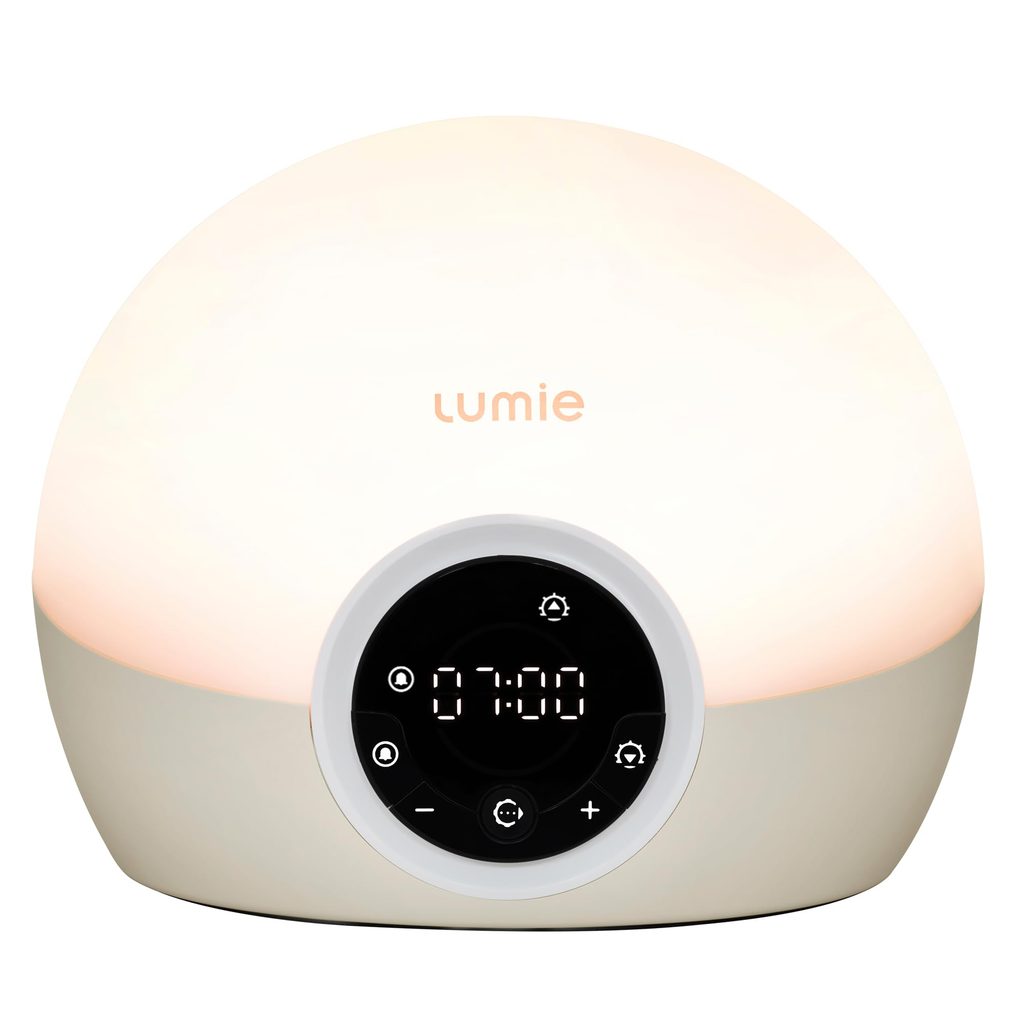
1. Lumie Bodyclock Spark 100: best overall
The Lumie Bodyclock Spark 100 is the least complicated option here—and that is precisely why it is our overall recommendation.
There is no app, subscription or enormous menu of bedtime meditations. You set the alarm before bed and, during the 30 minutes preceding it, the light gradually changes from a dim red and orange glow to brighter white light.
When the alarm time arrives, you can have the light accompanied by a beep or use the sunrise alone. Chronic snoozers should absolutely keep the sound switched on, at least initially.
The final brightness can be adjusted, which matters more than an extensive choice of colours. A gentle amber glow might look lovely, but someone capable of ignoring six alarms probably needs the room to become properly bright.
There is also a tap-to-snooze control. That might sound counterproductive in an article for people who snooze excessively, but the important difference is that the light remains part of the waking process. You aren’t silencing an alarm and immediately returning to a dark room.
The Spark 100 also includes a 30-minute sunset. At bedtime, the light gradually fades until it switches off or reaches a low nightlight level. It is a small feature, but establishing a consistent bedtime is part of making the following morning easier.
Why we like it for serial snoozers
The Spark 100 is difficult to overcomplicate. Once it is set, it quietly starts working before you need to make any decisions.
It also keeps your phone out of the process. That removes the danger of opening your alarm app, switching it off and somehow finding yourself watching videos before you have even sat up.
The main compromise is its single alarm sound. You get a straightforward beep rather than birdsong, waves or an orchestral awakening. However, someone who regularly sleeps through alarms may find a basic beep more useful than an especially soothing sound.
You also need to reactivate the alarm each night. This is slightly annoying and could be a deal-breaker if you frequently forget to set alarms, but it does force you to make a conscious decision about the following morning.
The Spark 100 has been used consistently for several years and has earned its place as the recommendation here. You can read the separate in-depth Lumie Bodyclock Spark 100 review for more detail on its everyday controls, design and limitations.
Choose the Lumie if: you want a proven, fuss-free wake-up light and don’t care about apps or elaborate soundscapes.
Skip it if: you need multiple alarms, recurring schedules or several wake sounds.
Shop the Lumie Bodyclock Spark 100
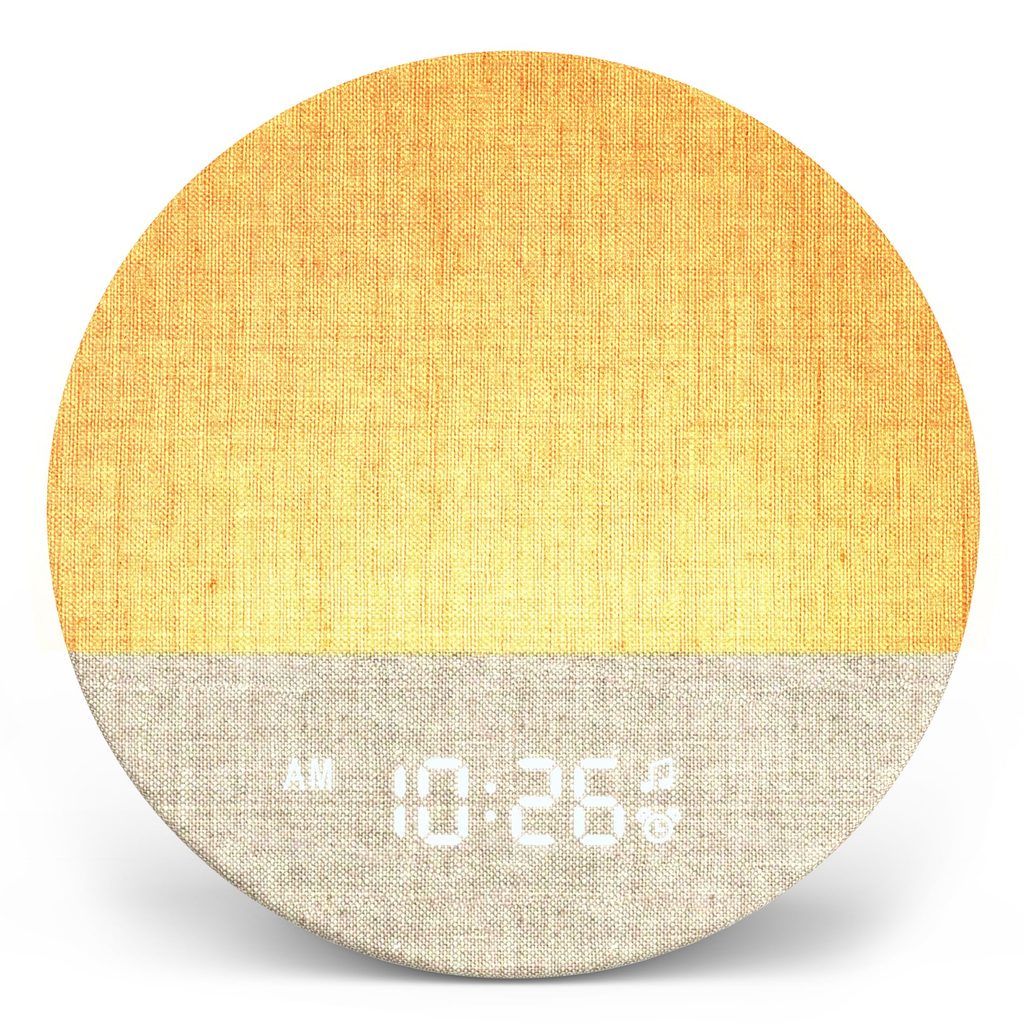
2. Dreamegg Sunrise 1: best value
The Dreamegg Sunrise 1 occupies the sensible middle ground between the minimalist Lumie and the much more involved Hatch.
It combines a sunrise alarm, sound machine and nightlight in one fairly polished bedside device. Most importantly, everything can be controlled using physical buttons. There is no Wi-Fi connection, app account or paid subscription to manage.
Its simulated sunrise gradually builds from a faint glow to bright light, accompanied by progressive natural sound rather than a sudden alarm. The sunrise duration can be personalised, allowing you to experiment with how early the light needs to begin before your actual wake time.
There are 29 sound profiles, including white noise, fan sounds and meditation tracks, plus nine nightlight colours. The built-in sound machine can therefore help at both ends of the night: masking background noise while you sleep and providing a more pleasant alarm in the morning.
The display and lights are dimmable, so you don’t have to tolerate an illuminated clock face beside your bed all night.
Why we like it for serial snoozers
The combination of increasing light and progressive sound gives you two cues to wake up, while the wider choice of sounds makes it easier to find something effective without being immediately unbearable.
It is also substantially less complicated than the Hatch. You can create a more considered sleep setup without introducing another app or recurring cost into your life.
The Dreamegg is the strongest option if you want the attractive sound-machine style associated with premium sleep clocks but mainly need dependable core features.
Its limitation is that it cannot build the same elaborate multi-stage routine as Hatch. It won’t guide you from reading to white noise to a particular sunrise scene. Whether that matters depends on the cause of your snoozing.
If your main problem is simply waking in a dark room, the Dreamegg should be more than enough. If your real problem begins two hours earlier when you refuse to put your phone down and go to sleep, Hatch’s routines may be more valuable.
Choose the Dreamegg if: you want plenty of sounds, adjustable light and app-free controls at a more accessible price.
Skip it if: you specifically want guided bedtime content or detailed routines managed from your phone.
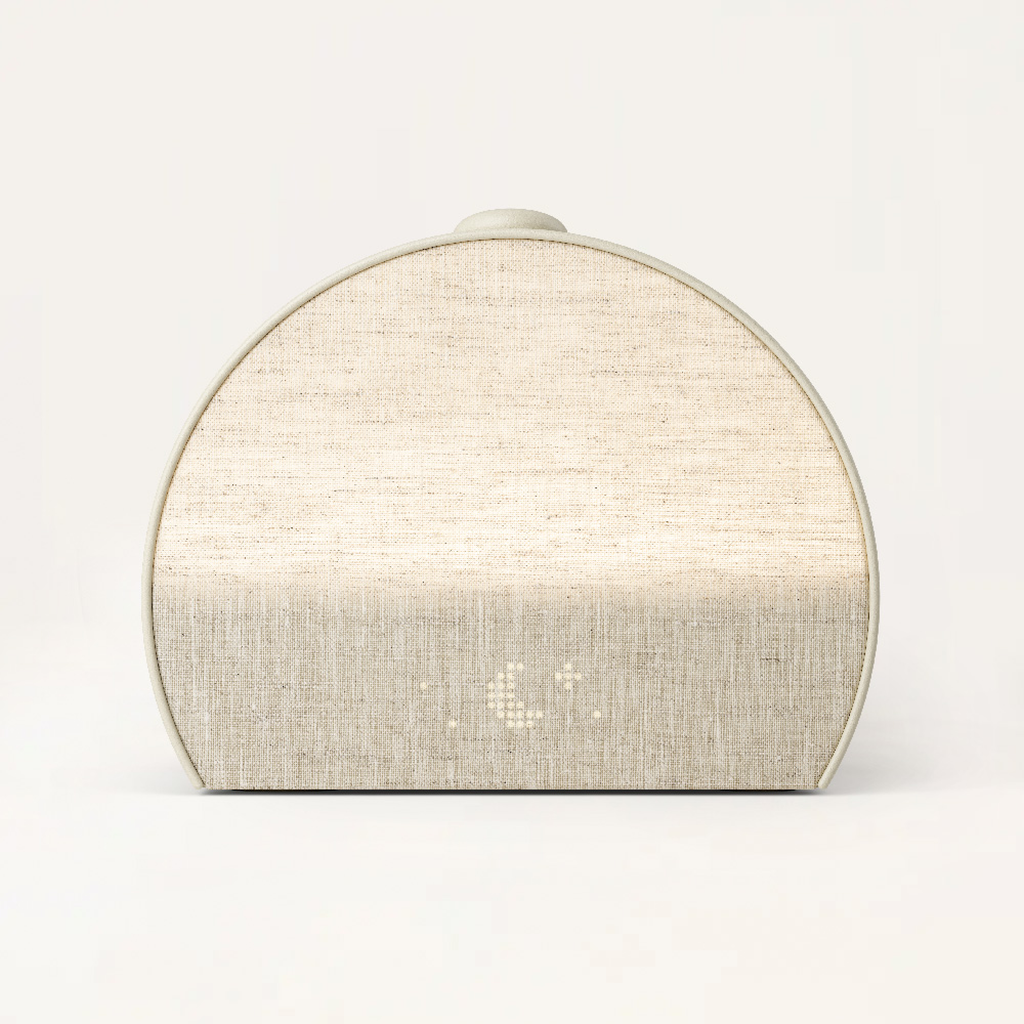
3. Hatch Restore 3: best premium option
The Hatch Restore 3 is not merely an alarm clock. It is intended to manage the entire transition from being awake at night to getting out of bed the following morning.
Using the Hatch app, you can create an evening routine with different stages for winding down, sleeping and waking. That might begin with warm reading light, continue with white or pink noise overnight and finish with a gradual sunrise and chosen alarm sound.
Once everything has been configured in the app, the Restore 3’s physical controls allow you to start, pause and move through your routine without repeatedly reaching for your phone.
The sound library is much broader than those offered by conventional wake-up lights, with ambient noise, nature sounds, meditations and other sleep content available. A free selection is included, while the expanded library requires a Hatch+ membership.
Why we like it for serial snoozers
For some people, repeated snoozing is not really an alarm problem. It is the predictable result of going to bed too late, sleeping inconsistently and staring at a brightly lit phone until the moment they fall asleep.
The Hatch addresses that larger pattern. Its evening routine provides a sequence of cues that it is time to stop scrolling, settle down and sleep. If it gets you into bed earlier, that may improve your mornings more than simply purchasing a brighter alarm.
Its sunrise can be paired with sound, and the Restore 3 offers far more control over the atmosphere of your morning than either the Lumie or Dreamegg.
However, it is the most expensive option and some of its content sits behind a subscription. You are also paying for features designed to help you fall asleep. If you already sleep well and only struggle with dark mornings, much of that will be unnecessary.
It also isn’t automatically the most effective choice for an exceptionally heavy sleeper. A beautiful routine and delicate soundscape are only helpful if they actually wake you. Set the final light and alarm volume firmly enough that the experience cannot become too relaxing.
Choose the Hatch if: your snoozing is part of a wider, inconsistent bedtime routine and you want one device to manage both sleep and waking.
Skip it if: you dislike subscriptions, don’t want another app or only require a straightforward sunrise alarm.
Which wake-up light should you buy?
For most people who hit snooze repeatedly, start with the Lumie Bodyclock Spark 100. Its sunrise is effective, its controls are simple and there are fewer settings to fiddle with instead of getting out of bed.
Choose the Dreamegg Sunrise 1 if you want natural wake sounds and a built-in sound machine without paying Hatch prices or using an app.
Choose the Hatch Restore 3 if mornings are only half the problem. It makes the most sense when you also need help putting your phone away, winding down and maintaining a regular bedtime.
The important thing is not to choose the gentlest-looking clock. Choose the one that creates enough light and sound to interrupt your particular snoozing pattern.
How to make a wake-up light harder to ignore
Even the best wake-up light can become an expensive bedside ornament if it is used badly. Give it a fair chance with these adjustments.
Put it close enough to your face
A sunrise clock should sit beside the bed rather than across the room behind a pile of books. The light needs to reach you even if you are facing slightly away from it.
Avoid hiding it below mattress level or behind an oversized lampshade.
Use the brightest final setting
Start brighter than you think you need. You can reduce the intensity later if you consistently wake before the sound begins.
For a chronic snoozer, setting a wake-up light to a barely visible golden glow rather defeats the purpose.
Keep the sound switched on
Waking through light alone can feel wonderful, but it should not be your only alarm when you have an important meeting or a history of sleeping through everything.
Use the light to begin waking you and the sound as the final instruction to move.
Place a backup alarm away from the bed
If you are an exceptionally heavy sleeper, use the wake-up light beside you and place a separate alarm across the room. The sunrise makes the first wake-up less abrupt; the distant alarm forces you to stand if you still ignore it.
Once you are consistently getting up, you may no longer need the backup.
Don’t begin the sunrise too early
A longer sunrise is not always better. If the light begins an hour before you need to wake and repeatedly disturbs your sleep, you may feel worse.
Thirty minutes is a sensible starting point. Adjust from there rather than immediately selecting the longest possible duration.
Will a sunrise alarm stop you hitting snooze?
It can make snoozing less likely, but it cannot make up for chronic sleep deprivation.
The purpose of a wake-up light is to make your bedroom resemble morning before the alarm sounds. That can reduce the shock of waking and help you feel more alert, particularly during dark winter mornings.
It cannot give you the two hours of sleep you lost to scrolling, work or a late bedtime.
If you regularly get enough sleep but still find it almost impossible to wake, fall asleep unintentionally during the day or never feel refreshed, buying a louder alarm is not the full answer. Persistent excessive sleepiness is worth discussing with your GP.
For ordinary dark-morning misery, however, a sunrise alarm is one of the few alarm-clock upgrades that changes the waking environment rather than simply making more noise.
And if you currently hit snooze 40 times, that is a considerably better place to start.